Planning a bingo night? Whether you’re organizing a school activity, a senior living event, a community gathering, or a party with friends, bingo is an easy way to bring people together. With the right supplies, a clear game plan, and a little preparation, you can host an enjoyable event even if you’ve never called bingo numbers before.
In this guide, we’ll walk you through how to host a bingo night, from choosing a venue and preparing equipment to explaining the rules, organizing rounds, and keeping your guests engaged.
How to Host a Bingo Night in 8 Steps
To organize a successful bingo night, follow these eight steps:
- Decide on your audience and event format.
- Choose a venue and set a date.
- Prepare your bingo supplies.
- Plan your game rounds and winning patterns.
- Choose prizes and establish clear rules.
- Set up the room and check your equipment.
- Host the games and verify winners.
- Wrap up the event and collect feedback.
Let’s look at each step in more detail.
Step 1: Decide Who Your Bingo Night Is For
Before choosing supplies or planning prizes, think about who will attend your event. A bingo night for elementary school students will look different from one organized for a senior living community or a corporate team.
Family and Community Bingo Nights
For families and community groups, keep the atmosphere welcoming and the rules simple. Short rounds, clear instructions, and a mix of winning patterns can help players of different ages participate comfortably.
School Bingo Events
Schools can use bingo for classroom activities, family engagement, or community gatherings. Choose age-appropriate prizes and consider reusable cards if the school plans to organize regular games.
Senior Living Bingo Activities
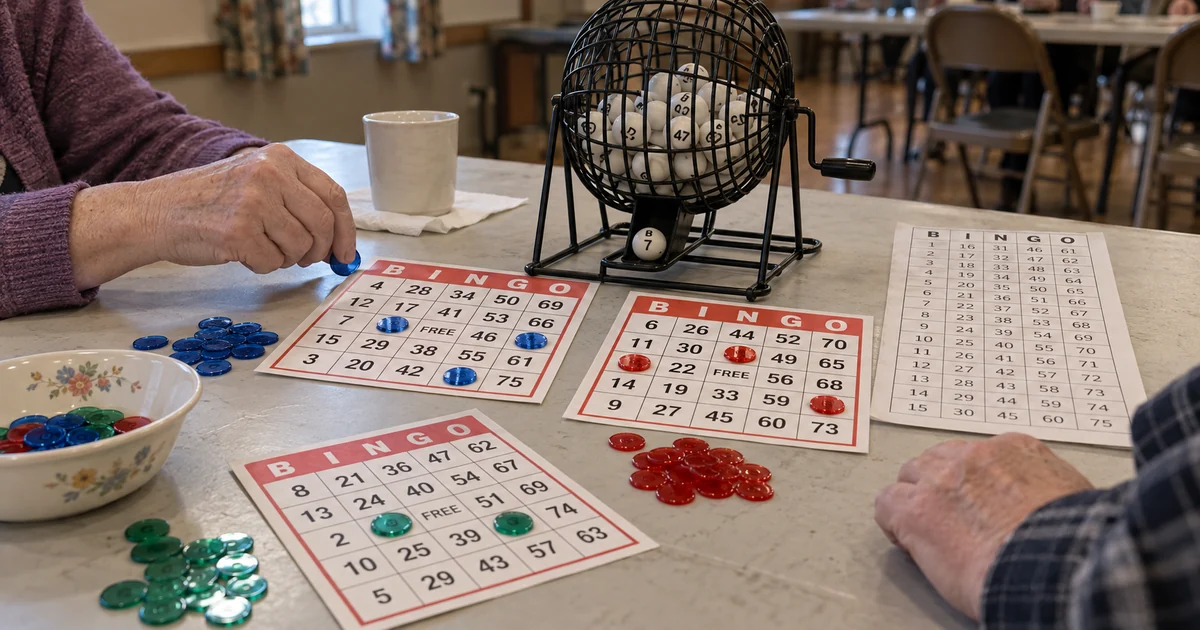
Bingo is a familiar group activity in many senior living communities. Large-print cards, easy-to-handle markers, comfortable seating, and a slower calling pace can help make the event more accessible.
Corporate and Team-Building Events
For workplace gatherings, consider themed bingo rounds or team-based variations. Make sure everyone understands the format before the game begins.
Hosting tip: Estimate your attendance early. The number of participants will affect how many cards, markers, tables, and prizes you need.
Step 2: Choose the Right Venue and Schedule
A good bingo venue doesn’t need to be elaborate. It simply needs enough space for participants to sit comfortably, see their cards, and hear the caller.
When selecting a location, consider:
- Seating capacity: Provide enough chairs and table space for all expected players.
- Lighting: Make sure participants can read their cards clearly.
- Sound: Choose a quiet room or use a microphone for larger groups.
- Accessibility: Consider step-free access, accessible seating, and restroom availability.
- Equipment space: Leave room for the caller, bingo cage, master board, and prizes.
For a casual event, an evening or weekend session may work well. For senior living communities or school activities, choose a time that fits participants’ regular schedules.
Step 3: Prepare Your Bingo Night Supplies
Having the right equipment ready before guests arrive is one of the easiest ways to prevent delays.
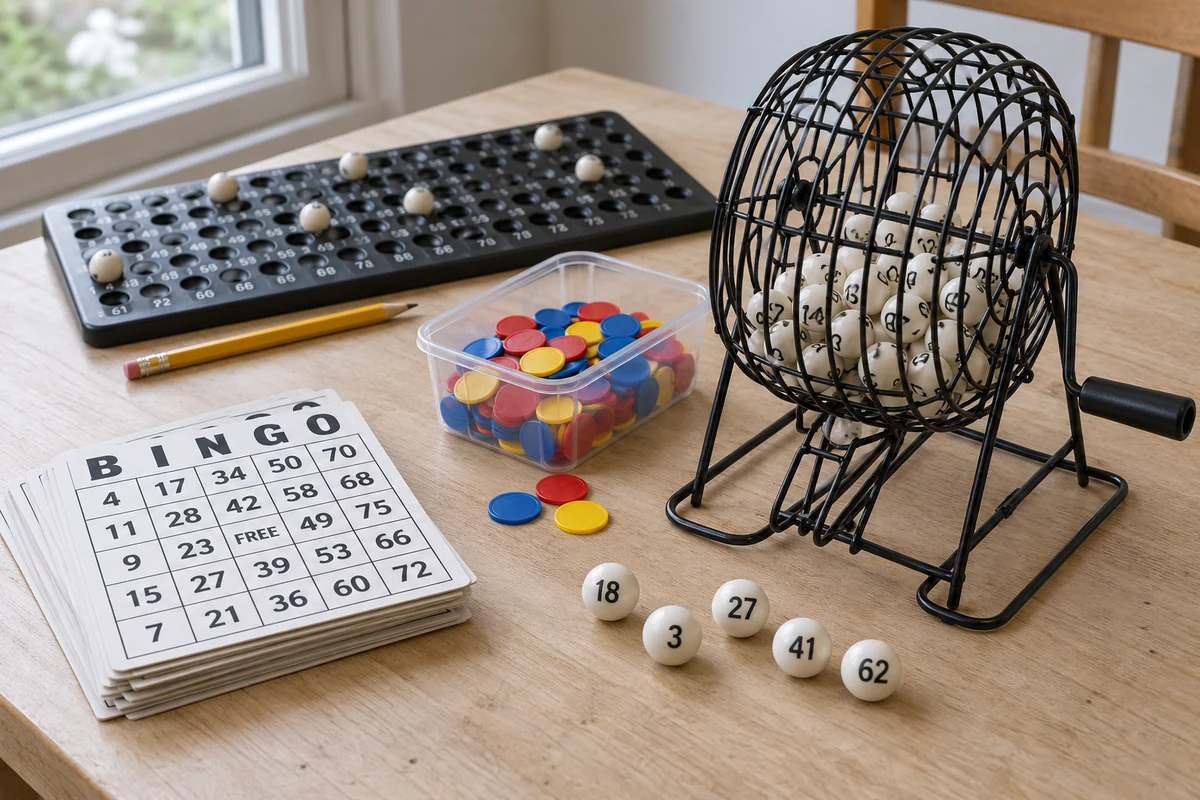
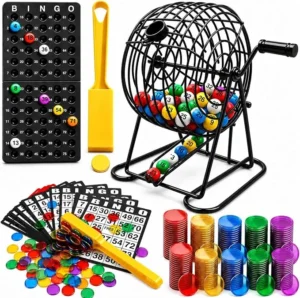
Essential Bingo Equipment Checklist
| Supply | Purpose | What to Consider |
|---|---|---|
| Bingo Cards | Give players their number combinations | Quantity, readability, reusable or disposable |
| Bingo Cage or Drawing System | Randomly select numbers | Game format, durability, ease of use |
| Bingo Balls | Provide numbered draws | Correct 75-ball or 90-ball set |
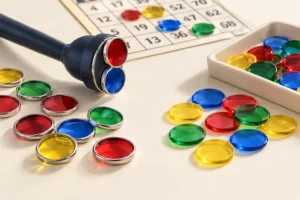
| Bingo Chips or Daubers | Mark called numbers | Card compatibility and ease of handling |
| Master Board or Call Sheet | Track numbers already called | Visibility and reliable recordkeeping |
| Prizes | Recognize winning players | Audience, budget, local rules |
| Microphone (Optional) | Help everyone hear the caller | Room size and background noise |
How Many Bingo Cards Do You Need?
The number of cards depends on how many people will attend and how many cards each person will play at once.
For example, if 40 participants each use one card, you’ll need at least 40 cards available for the round. If each person plays two cards, you’ll need 80 card positions in play.
Keep in mind that reusable cards can be used again in later rounds. Disposable cards may require fresh sheets, depending on how they are marked and whether the event uses different cards each round.
It’s also useful to prepare a few spare cards and extra markers.
Choose Equipment That Matches Your Bingo Format
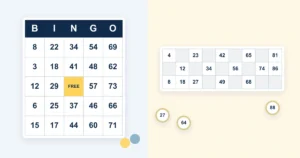
In the United States, 75-ball bingo is a common format. It uses five-column cards labeled B-I-N-G-O. In the United Kingdom and other markets, 90-ball bingo is also widely played and uses a different ticket layout.
Make sure your cards, balls, and calling method all match the same game format.
New to the rules? Read our How to Play Bingo guide for a beginner-friendly explanation of cards, number calling, and winning patterns.
Step 4: Plan Your Bingo Rounds and Winning Patterns
Before guests arrive, decide how many rounds you want to play and what counts as a win in each round.
For a beginner-friendly 75-ball bingo night, you might use the following patterns:
- Round 1 – Straight Line: Complete a horizontal, vertical, or diagonal line.
- Round 2 – Four Corners: Mark all four corners of the card.
- Round 3 – X Pattern: Complete both diagonal lines.
- Round 4 – Blackout: Cover every numbered space on the card.
These are examples rather than a required sequence. The number of rounds and patterns should fit your audience and available time.
Blackout rounds may take longer than simple line games, so consider scheduling them toward the end of the event.
Sample Bingo Night Schedule
Here’s an illustrative 90-minute schedule for a small community event:
| Time | Activity |
|---|---|
| 0–15 minutes | Welcome guests, distribute cards, explain rules |
| 15–30 minutes | Round 1: Straight Line |
| 30–45 minutes | Round 2: Four Corners |
| 45–55 minutes | Short break |
| 55–70 minutes | Round 3: X Pattern |
| 70–85 minutes | Round 4: Blackout |
| 85–90 minutes | Thank participants and close the event |
Actual round lengths will vary with the number of players, calling speed, and winning patterns. Keep the schedule flexible rather than rushing participants.
Step 5: Choose Prizes and Explain the Rules
Prizes can add excitement to a bingo night, but they don’t need to be expensive. For recreational events, small gifts, certificates, or event-themed items may be appropriate.
Bingo Night Prize Ideas
- Small gift baskets
- Books or stationery
- Event-themed merchandise
- Certificates or recognition awards
- Small non-cash gifts suited to your audience
Before advertising prizes, charging entry fees, or organizing a fundraiser, check the laws and venue policies that apply to your location. Bingo may be regulated as a gaming or fundraising activity, and requirements vary by jurisdiction.
Rules to Explain Before the First Round
Make sure participants understand:
- Which bingo format is being played
- How many cards each player may use
- The winning pattern for the current round
- How and when to call “Bingo!”
- How winning cards will be verified
- What happens if multiple players win on the same call
Explaining these details early helps avoid confusion and keeps the event fair.
Step 6: Set Up the Room Before Guests Arrive
Give yourself enough time to test the equipment and organize the space.
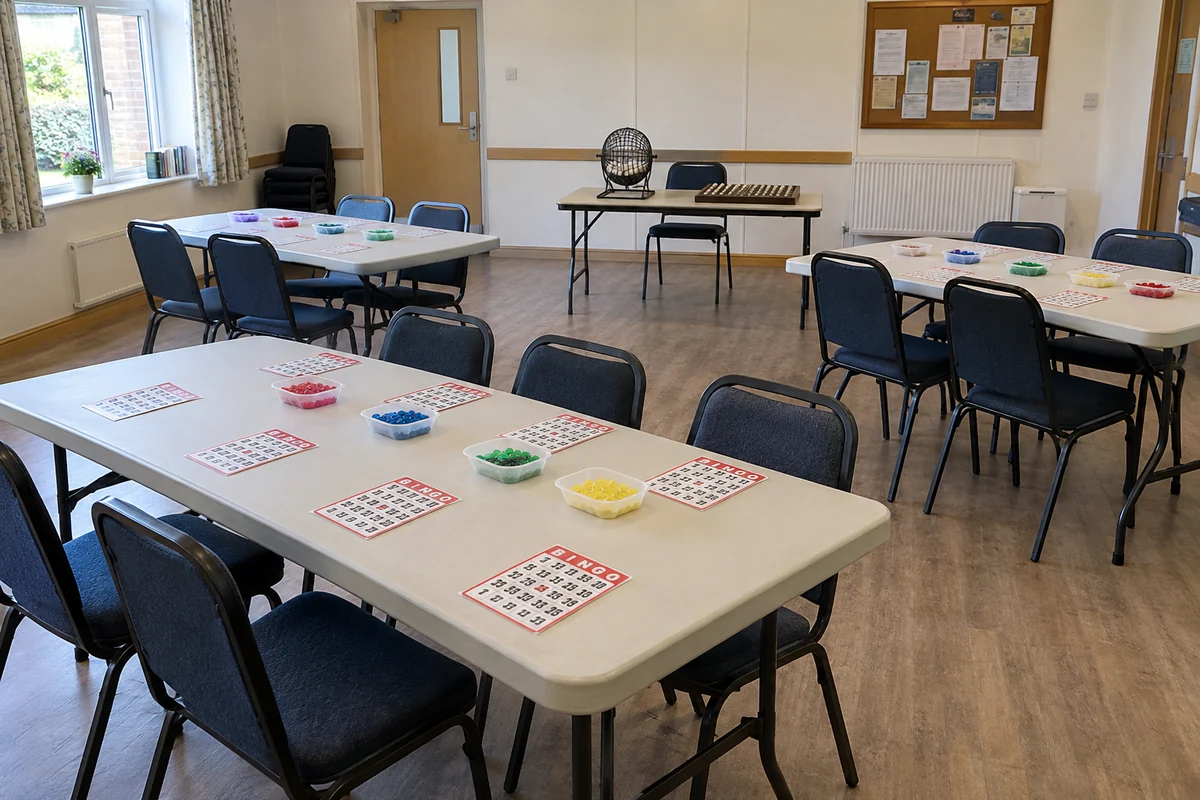
Position the caller where everyone can hear them, place the bingo cage on a stable surface, and keep the master board or call sheet within easy reach.
If using reusable bingo cards, distribute chips or markers at each table. If using disposable paper cards, make sure players have suitable daubers or pens.
For larger events, consider asking a volunteer to help verify winning cards and distribute prizes while the caller manages the game.
Step 7: Host the Bingo Games
Once everyone is seated, welcome your guests and briefly explain the first round.
Call Numbers Clearly
For 75-ball bingo, announce both the letter and number, such as “B-12” or “O-68.” Speak at a comfortable pace and allow players enough time to find and mark each number.
Keep a record of every number called. Each number should be drawn only once during a round.
Verify Every Bingo Claim
When someone calls “Bingo!”, pause the game and check the card against the recorded calls and the announced winning pattern.
If the claim is valid, recognize the winner. If not, explain the issue politely and continue according to the rules established before the round.
Keep the Atmosphere Friendly
Encourage participation without pressuring players. Adjust the calling pace if participants are having trouble keeping up, and make sure instructions remain clear throughout the event.
Step 8: Wrap Up and Prepare for Your Next Event
At the end of the bingo night, thank participants and volunteers. Collect reusable cards, chips, and equipment, then check whether anything needs cleaning or replacing.
If you plan to host bingo regularly, ask participants what they enjoyed and what could be improved. Feedback about game length, card readability, and calling speed can help make future events even better.
Bingo Night Ideas for Different Groups
Once you’ve mastered the basic format, you can adapt bingo night to suit different audiences.
Family Bingo Night
Use straightforward winning patterns, shorter rounds, and prizes that appeal to a wide range of ages.
Senior Community Bingo
Focus on readable cards, comfortable seating, clear number calling, and a relaxed pace.
School Bingo Night
Use age-appropriate prizes, clear instructions, and enough volunteers to assist younger participants.
Holiday-Themed Bingo Night
Decorate the venue for a holiday or seasonal event while keeping the core rules familiar. You can also choose themed prizes or decorations.
Corporate Bingo Event
Use bingo as a casual team activity or icebreaker. For a more customized experience, consider event-specific cards or themed game materials.
Common Bingo Night Mistakes to Avoid
Even a simple event can become frustrating if the basics are overlooked. Watch out for these common mistakes:
- Not enough cards or markers: Prepare for your expected attendance and keep spare supplies.
- Unclear winning patterns: Announce and display the pattern before each round.
- Calling too quickly: Give players enough time to find and mark numbers.
- Mixing different bingo formats: Use matching cards and balls for 75-ball or 90-ball games.
- Forgetting winner verification: Keep an accurate record of called numbers.
- Overcomplicating the first game: Start with an easy pattern and introduce variations later.
Frequently Asked Questions About Hosting a Bingo Night
How long should a bingo night last?
For a casual event, 60–90 minutes can be a useful starting point. The ideal duration depends on the number of rounds, the audience, and the time needed to verify winners.
How many bingo cards should each person have?
Beginners may find one card easiest to manage. More experienced players can use multiple cards if the event rules allow it. Plan your supplies based on the maximum number of cards in play at once.
What supplies do I need for a bingo night?
You’ll typically need bingo cards, a suitable number-drawing system, numbered balls, chips or daubers, and a way to record called numbers. Prizes and a microphone may also be useful.
Can you host a bingo night without prizes?
Yes. Bingo can be played purely for recreation, with participants enjoying the game and social experience. Prizes are optional.
Is a license required to host a bingo night?
Requirements vary by location and event type. Some jurisdictions regulate bingo events, especially when entry fees, prizes, or fundraising are involved. Check the relevant local rules before organizing your event.
What is the best bingo format for beginners?
For many North American groups, 75-ball bingo with a straight-line winning pattern is a familiar and easy-to-explain starting point. Choose a format your participants understand and for which you have the correct equipment.
Make Your Next Bingo Night Easier to Organize
A successful bingo night doesn’t require a complicated plan. Start with the right game format, prepare enough supplies, communicate the rules clearly, and create a welcoming atmosphere for your participants.
For schools, senior living communities, community organizations, and event companies, dependable bingo equipment can make recurring events easier to prepare and manage.
At WAKUPLAY, we help businesses and organizations explore game supplies for group activities, events, and wholesale purchasing.
Explore WAKUPLAY Game Collections →
Planning a large event or sourcing supplies in bulk? Contact WAKUPLAY to discuss your requirements →