Magnetic bingo chips are useful when buyers want to collect reusable markers with a compatible magnetic wand. Non-magnetic chips can be a straightforward choice when players clear cards by hand. The better purchase depends on card fit, handling, reset procedures, and the accessories actually included, not simply whether a product is labeled magnetic.
For senior centers, schools, distributors, and recurring event programs, evaluate chips as part of a working system: card, marker, pickup method, storage, and replenishment. This guide compares the two options without assuming a particular chip diameter, accessibility rating, or guaranteed cleanup time.
What does magnetic mean in a bingo chip listing?
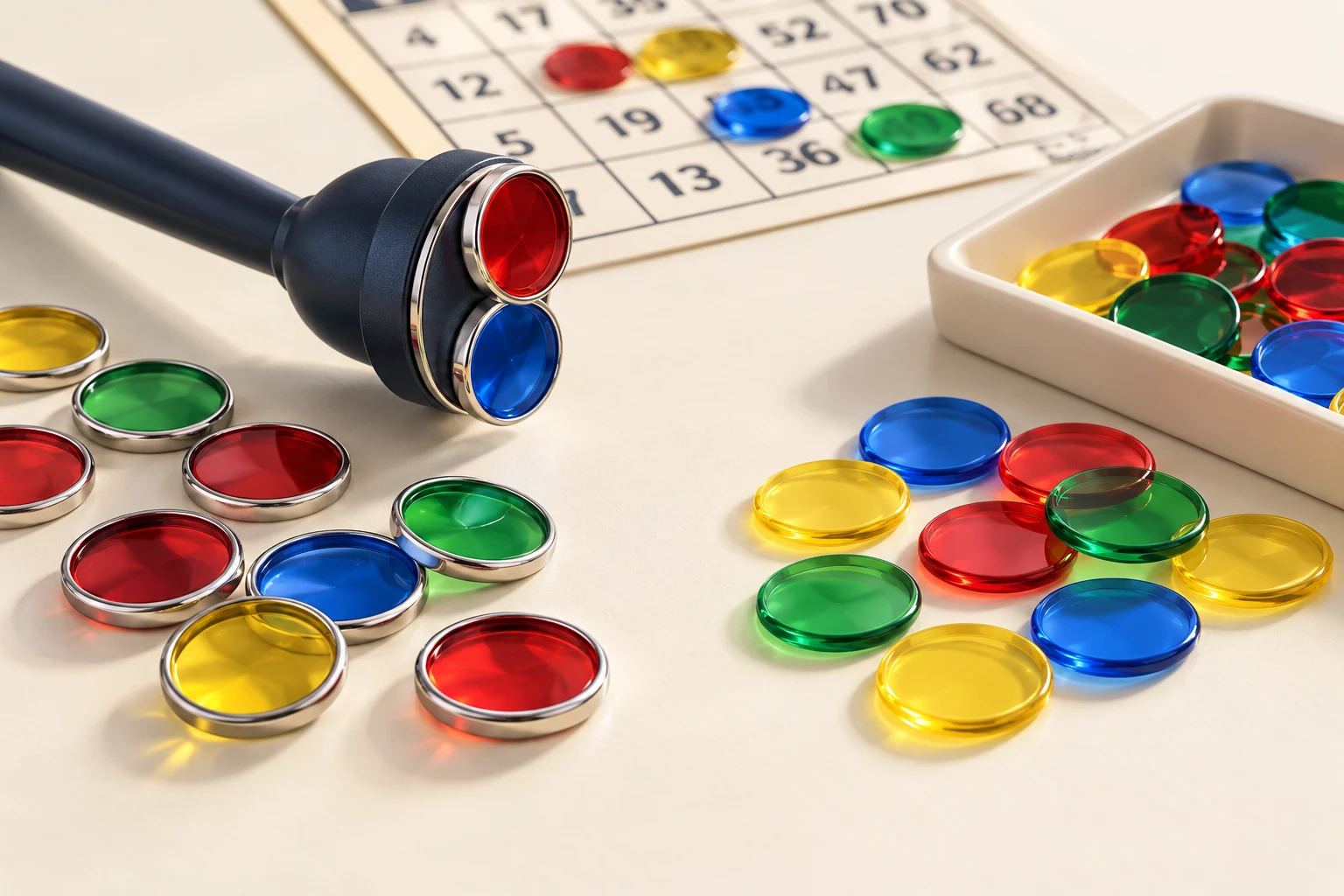
A magnetic-compatible chip does not necessarily contain a permanent magnet. Some chips incorporate a metal rim that allows a compatible magnetic pickup wand to attract them. The component arrangement matters because a plain plastic chip and a metal-rimmed chip may look similar in a small photograph.
For example, WAKUPLAY’s 400-piece magnetic bingo chip set is listed as ABS with an internal metal rim, in seven mixed colors. That description supports a specific material and collection method. It does not establish the chip diameter, the color allocation in each package, or whether a wand is included. Confirm those details separately before ordering.
Magnetic vs. non-magnetic bingo chips: a purchasing comparison
| Decision point | Magnetic-compatible chips | Non-magnetic chips |
|---|---|---|
| Collection | Can be collected with a compatible magnetic tool; test the actual pairing. | Plan on hand collection or another suitable manual method. |
| Equipment | A matching wand may need a separate order. | No magnetic pickup tool is needed for the basic marking function. |
| Card fit | Diameter and visibility still need checking. | Diameter and visibility still need checking. |
| Buying units | Distinguish chip pieces from sets that include accessories. | Distinguish chip pieces, packs, and color assortments. |
| Inspection | Check the chip construction and pickup performance. | Check construction and practical handling. |
| Total cost | Compare chips plus any needed tools and shipping. | Compare chips and the planned handling arrangement. |
Neither option should be assumed more durable, less expensive, or suitable for every user without inspecting the actual products and quotations. Material, construction, packaging, and order terms can differ within either category.
Start with the card, not the chip color
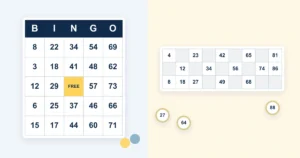
Measure the numbered area on the cards you intend to use. A marker needs to fit the usable space without making adjacent numbers difficult to distinguish. Ask for the chip diameter and, if relevant, thickness. A pack count alone does not answer either question.
Try a sample on a real card under the room’s normal lighting. Check whether the number remains identifiable through a translucent marker, whether reflected light causes problems, and whether the marker shifts during ordinary use. These are sample-evaluation questions, not guaranteed characteristics of every translucent chip.
Also consider table space. Players managing several cards need room to place spare markers without confusing them with marked numbers. Color can help organize allocations, but do not make color the only way to identify a player’s supplies.
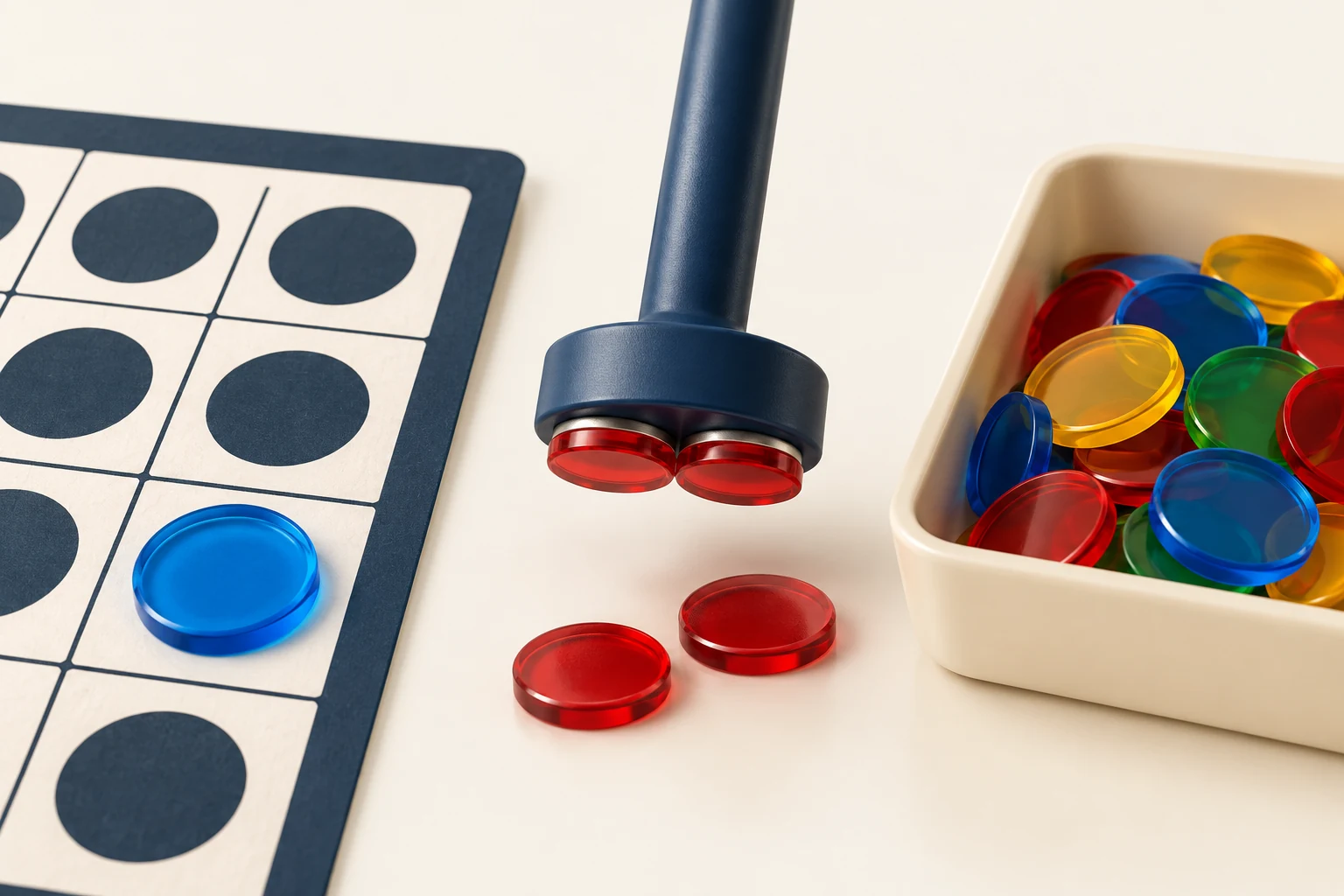
Test the whole pickup routine
If magnetic collection is the reason for choosing a product, test the proposed wand with the exact chip sample. Do not assume every product described as magnetic will behave identically with any tool already in the supply cupboard.
- Place sample chips on the intended card and table surface.
- Try collecting chips using the proposed tool and its instructions.
- Check whether the action disturbs neighboring cards or loose supplies.
- Transfer collected chips into the intended storage container.
- Repeat the routine with the people who will actually reset the tables.
Observe the number of actions required and any awkward reaches. If turnaround speed is important, time a realistic trial rather than relying on an advertised convenience claim. Record the conditions so a later replacement product can be evaluated consistently.
Match the choice to the operating setting
Senior centers and community programs
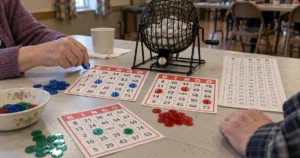
Offer both marking and collection methods for users to try where practical. Consider grasping, reach, visibility, and comfort, without treating a magnetic wand as a universal accessibility solution. The people participating and staff supporting the session should help identify a workable arrangement.
Schools and supervised activities
Check the actual product’s age guidance, warnings, and organizational purchasing requirements. Small loose pieces require appropriate handling and supervision. Do not infer a safety certification or age suitability from the words classroom or educational in a marketing description.
Retailers and distributors
Clarify how the product will be described to the next buyer. State whether the listing is for chips only, chips with a wand, or a broader set. Keep the piece count, colors, material, and included accessories consistent across the carton label, catalog copy, and sales quotation.
Plan quantities and replacements separately from the collection method
Magnetic compatibility does not change how many marked spaces a player needs to cover. Base your allocation on the cards in use and the planned game patterns, then choose an explicit reserve for loss or walk-in attendance. Do not count a reusable chip as a single-use consumable for every round.
As an illustration, a program that chooses to allocate 20 chips to each of 15 players needs 300 chips before reserves. That is arithmetic based on an organizer’s assumption, not a recommended allocation for every game. Check whether the planned patterns could require more markers per player.
For a broader order, use the bingo supplies buying checklist to keep card quantities, markers, and shared equipment separate. This avoids buying extra cages simply to obtain more chips.
Questions to include in a supplier inquiry
- What are the chip diameter, thickness, material, and collection method?
- Is the quoted quantity individual chips or a number of packs?
- Are the colors mixed, and is any per-color quantity guaranteed?
- Is a pickup wand included, available separately, or not offered?
- Can the proposed chips and wand be evaluated together before a larger order?
- What packaging, minimum quantity, availability, and delivery terms apply to this order?
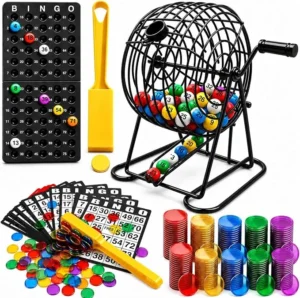
If you are comparing complete bundles, review the actual contents of the Deluxe Bingo Game Set rather than assuming that every set includes the same accessories. Ask for clarification when a photograph and written component list leave room for interpretation.
Frequently asked questions
Do magnetic bingo chips need batteries?
A metal-rimmed chip itself does not need batteries for passive magnetic pickup. Check the instructions for any separate tool or accessory; do not extend that statement to equipment you have not inspected.
Can I use magnetic chips without a wand?
They can still be placed and removed by hand as markers. A compatible wand is relevant when you want the magnetic collection function. Confirm the card fit and handling before choosing either approach.
Are magnetic chips always better for bulk purchases?
No. Compare the full system, including tools, storage, handling, and delivered quotation. The appropriate choice is the one that meets your program’s requirements, not automatically the option with an additional feature.
Choose a tested combination, then request a quotation
Specify the card fit, intended collection routine, quantity, and packaging before comparing prices. If you want to discuss a WAKUPLAY requirement, send your chip specifications and quantity for a quotation. Ask about current availability and included accessories rather than assuming unpublished terms.